Germany has become one of the most popular destinations for international students. With world-class universities, affordable tuition, and strong career pathways, it’s no surprise that thousands of students apply every year. But one question always comes up: do I need German language to study in Germany?
The answer depends on your chosen program, university, and long-term goals. While it’s possible to study in Germany without fluent German in some cases, learning the language often opens more doors—academically, professionally, and socially.
If you’re planning to study in Germany, here’s what you need to know.
Can You Study in Germany Without German?
Yes, some degree programs in Germany are taught entirely in English, especially at the master’s level. Many public universities and private institutions offer English-taught programs in fields such as:
- Engineering
- Business and management
- Computer science
- International relations
- Natural sciences
If you apply for one of these programs, you may only need to provide proof of English proficiency (IELTS or TOEFL).
However, this does not mean German is irrelevant.
Most Bachelor’s Programs Are in German
If you’re planning to pursue a bachelor’s degree in Germany, it’s important to understand that most undergraduate programs are taught in German. Public universities primarily operate in German, and admission often requires proof of language proficiency.
Common accepted certifications include:
- TestDaF
- DSH (Deutsche Sprachprüfung für den Hochschulzugang)
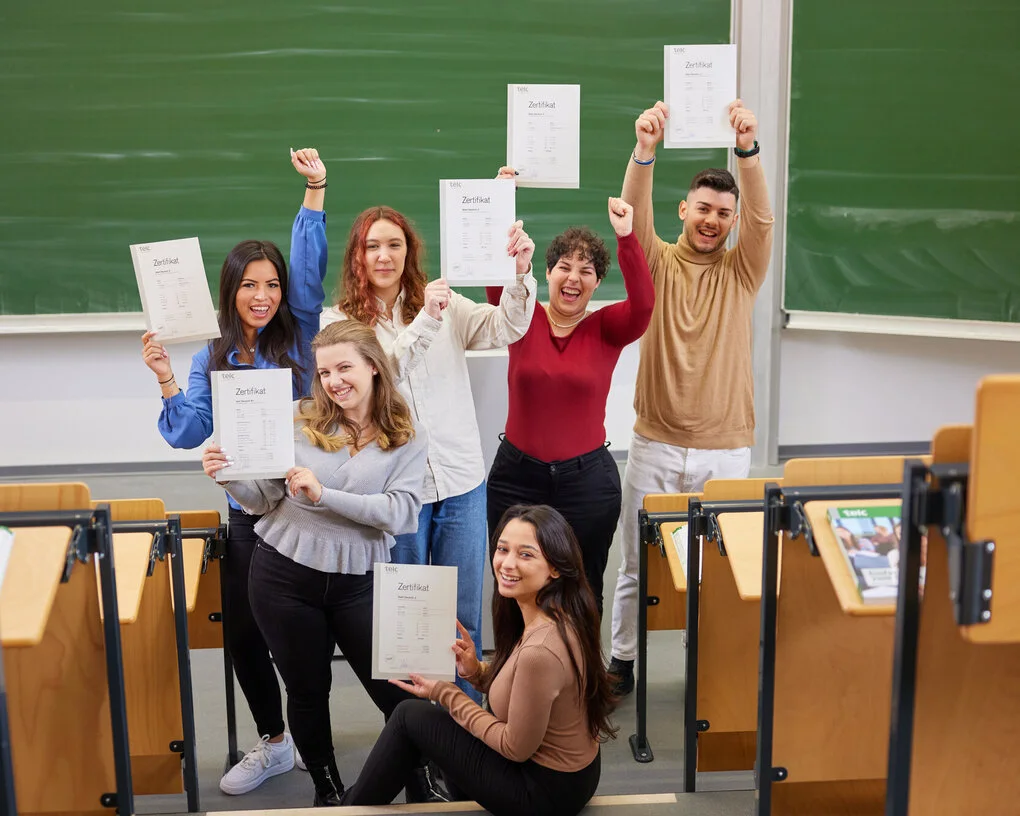
- telc Deutsch C1 Hochschule
- Goethe-Zertifikat
In these cases, German language proficiency is not optional—it is a formal admission requirement.
Even English Programs Benefit from German Skills
Even if your course is taught in English, daily life in Germany is largely conducted in German. Learning the language helps with:
- Visa and residency procedures
- Accommodation search
- Part-time jobs
- Internships
- Networking opportunities
- Social integration
Students who rely only on English often find themselves limited outside the classroom. German language skills make everyday life significantly easier.

German Language Requirements for Visa and Residence
While some student visas do not require German proficiency, immigration authorities may expect proof of language ability for:
- Certain preparatory programs
- Pathway courses
- Long-term residency
- Work visas after graduation
If you plan to stay in Germany after completing your degree, German proficiency becomes even more important.
Studying in Germany Long-Term: Career Perspective
Many international students hope to work in Germany after graduation. While multinational companies may operate in English, a large portion of the German job market expects at least intermediate German.
For better employment opportunities, employers often look for:
Even in international industries, speaking German increases your competitiveness in the job market.
German Language Levels Explained
Language proficiency in Germany follows the Common European Framework of Reference (CEFR):
- A1–A2: Beginner
- B1–B2: Intermediate
- C1–C2: Advanced
Most German-taught university programs require at least C1 level German. If you are starting from scratch, structured language courses are essential to reach academic proficiency.
What If You Don’t Meet the Language Requirement Yet?
Many students attend a German language course in Germany before starting university. This allows you to:
- Improve grammar and vocabulary
- Build academic writing skills
- Prepare for TestDaF or DSH exams
- Adapt to life in Germany
Intensive language courses are particularly useful if you plan to apply to German-taught bachelor’s or master’s programs.

Preparing Early Makes a Difference
Starting your German learning journey early gives you more flexibility when choosing universities and programs. It also helps reduce stress when:
- Completing application documents
- Attending interviews
- Interacting with university administration
The earlier you begin learning German, the more confident you’ll feel when arriving in Germany.
Learn German with Purpose at Sprachschule Unter der Eiche
If you’re planning to study in Germany, structured language training is one of the smartest investments you can make.
Sprachschule Unter der Eiche offers German language courses designed for international students preparing for university, visa requirements, and long-term integration. With branches in:
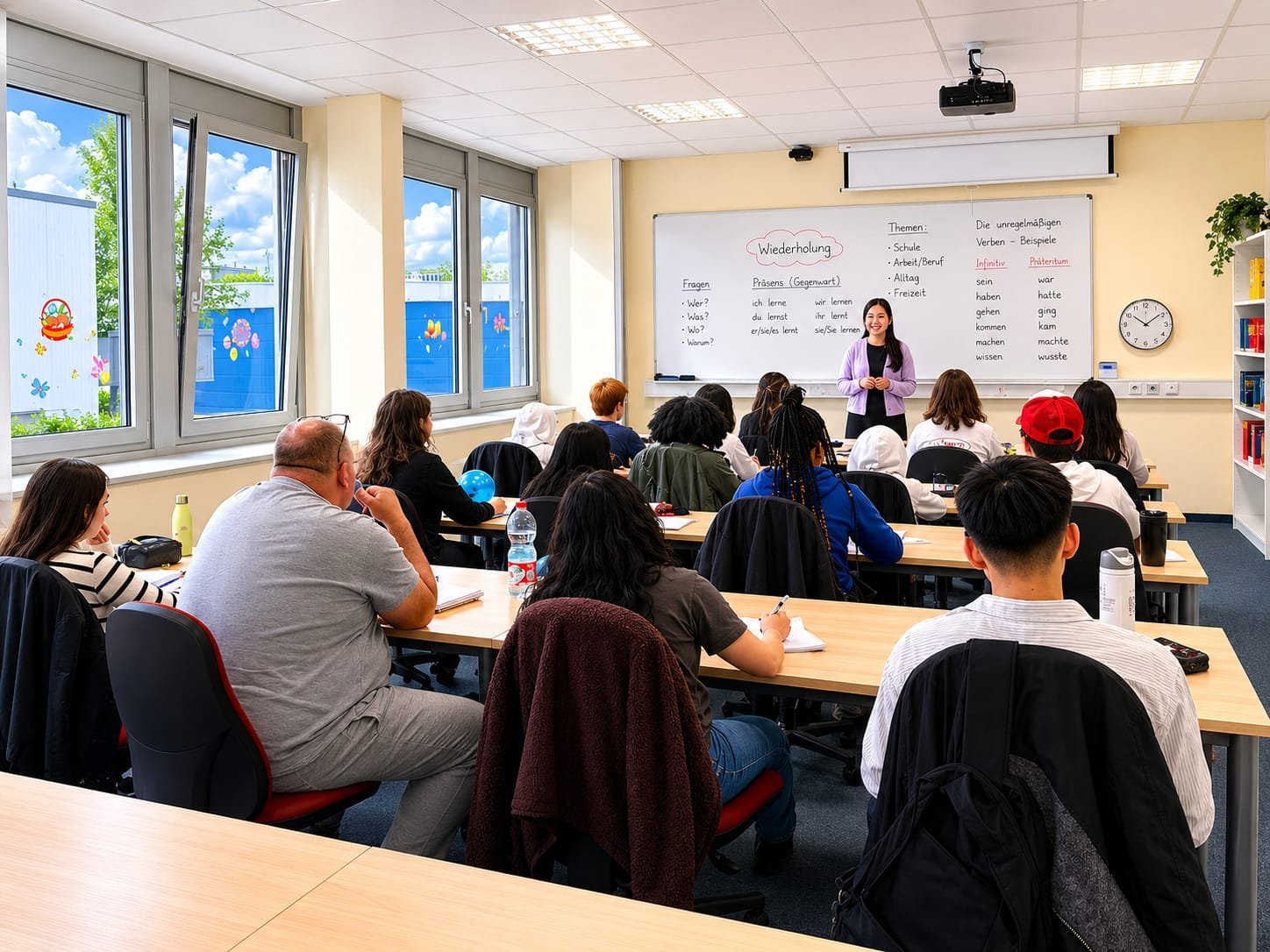
Students can access structured programs focused on academic German, exam preparation, and real-world communication.
Whether you’re starting at beginner level or preparing for C1 certification, a targeted German language course helps you move confidently toward your study goals.
Learn more:
👉 https://sprachschule-unterdereiche.de/
So, Do I Need German Language to Study in Germany?
The short answer is: it depends on your program—but learning German significantly improves your opportunities.
- If you apply for a German-taught program, German is mandatory.
- If you choose an English-taught degree, German still improves daily life and job prospects.
- If you plan to stay in Germany after graduation, German becomes essential.
Studying in Germany is not just about earning a degree—it’s about building a future. And for most students, German language skills are a key part of that journey.